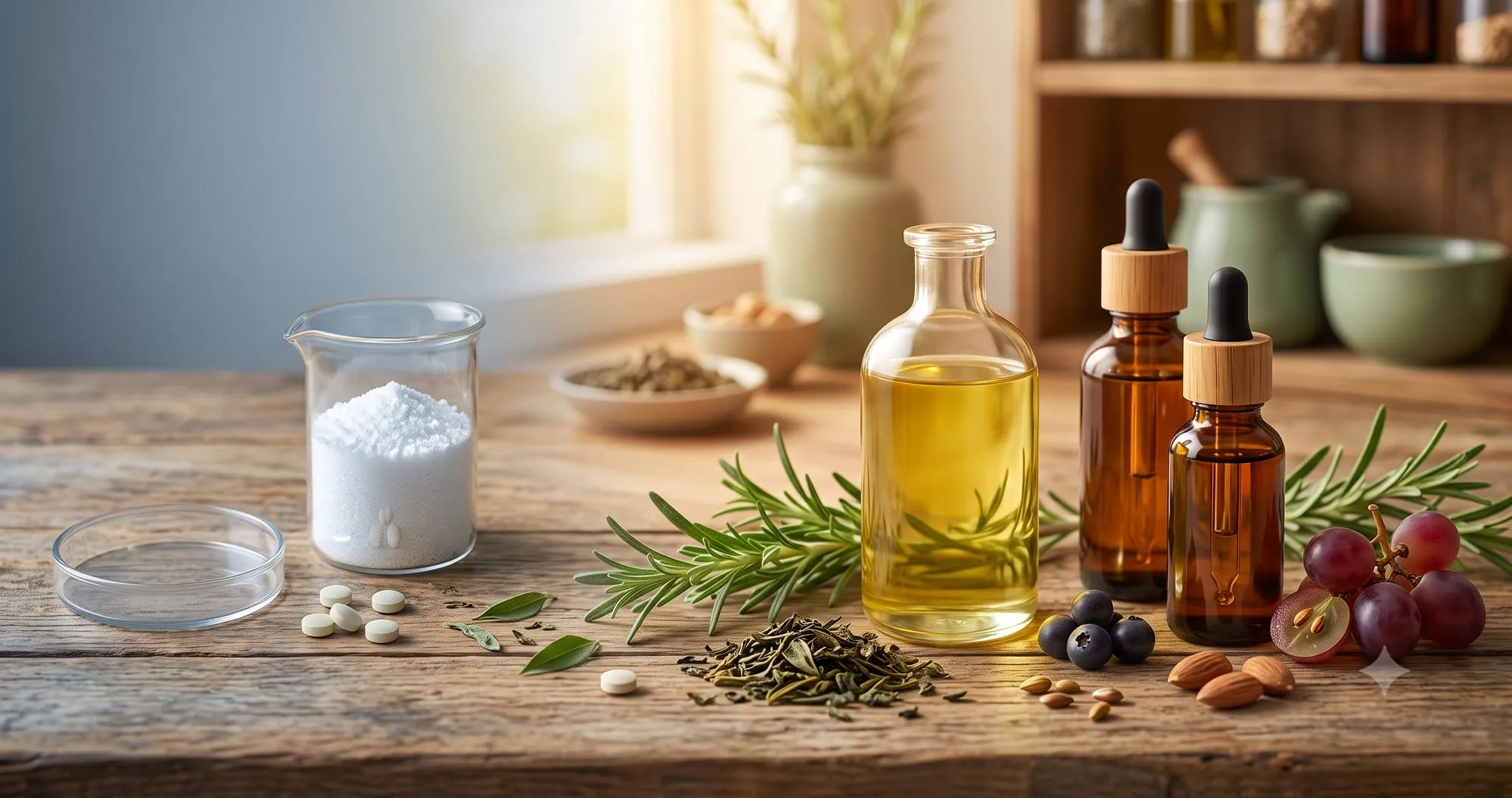
Almost every edible oil, and many cosmetic formulations, needs protection from oxidation, the slow chemical process that turns oils rancid and degrades active ingredients. For decades that job was handled mainly by synthetic antioxidants such as butylated hydroxyanisole (BHA), butylated hydroxytoluene (BHT), and tertiary butylhydroquinone (TBHQ). That is now changing. Across both food and cosmetics, manufacturers are steadily replacing these synthetic additives with antioxidants drawn from plants.
Why the industry is moving away from synthetic antioxidants
Two forces are driving the change. The first is consumer demand for clean-label products built on recognizable, plant-based ingredients, which has become one of the defining trends in both food and beauty. The second is regulatory and safety scrutiny: synthetic antioxidants such as BHA, BHT, and TBHQ are subject to ongoing reassessment and use limits, and that uncertainty makes formulators reluctant to build long-term products around them. Industry analysts report that natural-antioxidant use has been rising while synthetic use declines, a pattern expected to continue through 2026. Kalsec, Future Market Insights.
What is replacing them
The leading natural alternatives are extracts rich in polyphenols and tocopherols: rosemary, green tea, and grape seed, alongside mixed tocopherols, a form of vitamin E. These compounds work in the same way synthetic antioxidants do, by neutralizing the free radicals that start and spread oxidation, but they come from familiar plant sources.
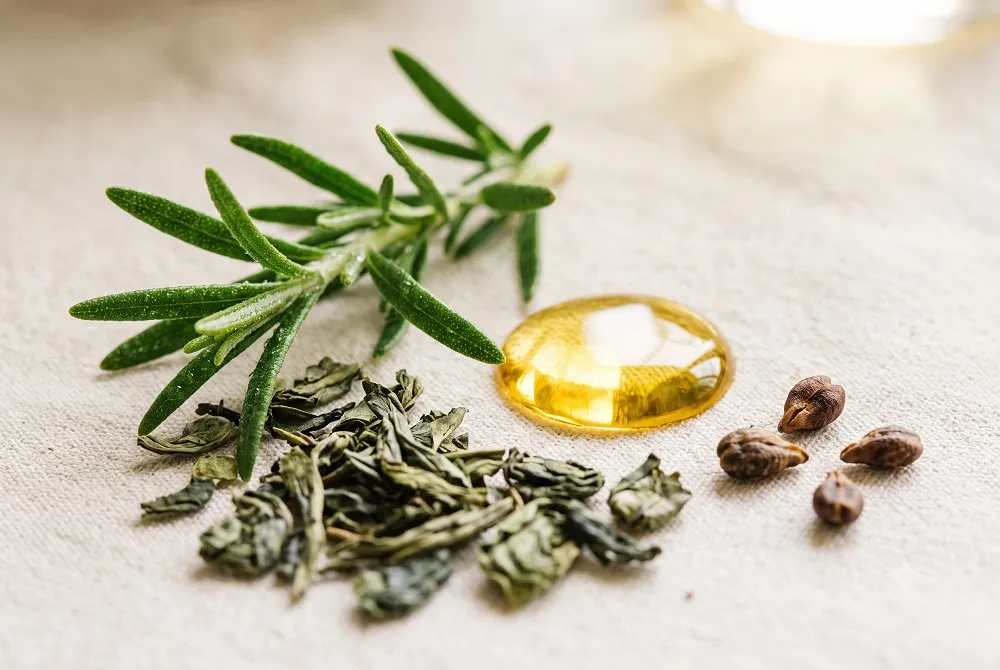
Rosemary extract is the clearest example. It is already approved for food use in major markets, listed as E392 in the European Union and covered by GRAS status in the United States, and studies report its antioxidant activity in oils at roughly two to four times that of BHA and BHT. Rosemary in rapeseed oil, UL Prospector. For an oil producer, that combination of regulatory acceptance and proven performance is what turns a natural antioxidant into a practical substitute rather than a marketing claim.
The trade-offs are real
Switching is not free. Natural antioxidants generally cost more than their synthetic counterparts, can carry their own color or aroma, and often need reformulation work to match the performance of an established synthetic system. Future Market Insights. The honest picture is that natural antioxidants are gaining ground in spite of these hurdles, because the regulatory direction and consumer pull are strong enough to justify the added cost and effort. Getting the dose and the blend right, and confirming stability in the finished product, is the work that separates a viable natural system from a disappointing one.
What it means for oils and cosmetics
For edible oils, the payoff is oxidative stability: a longer shelf life and better resistance to rancidity, achieved with an ingredient consumers are comfortable seeing on a label. For cosmetics, the same plant antioxidants support the wider move from “anti-aging” toward “skin longevity,” where broad-spectrum botanical antioxidants are used to defend the skin barrier rather than promise dramatic reversal. Formula Botanica. In both cases the antioxidant is no longer a hidden technical additive; it becomes part of the product itself.
Where Herbanol fits
This shift is the reason Herbanol exists. As the research and development subsidiary of Binalood Golden Oil Company, we develop plant-based antioxidants for edible oils and cosmetics, designed as an alternative to synthetic stabilizers. Our work centers on selecting effective natural actives and confirming their stability and activity in the final formulation, the practical step that decides whether a natural antioxidant holds up in a real product. You can read more about that work on our products page.
